

A.C. Maas
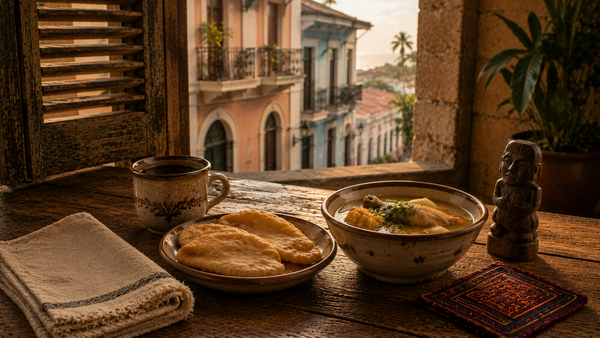
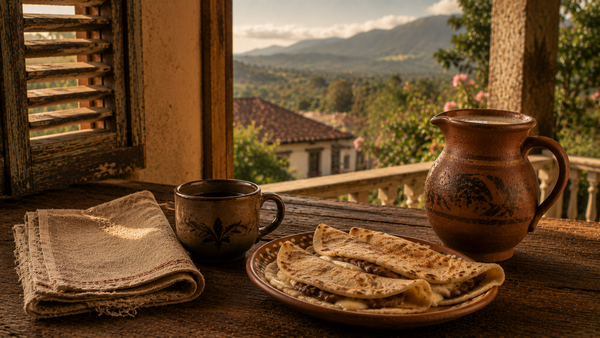
Honduran Spanish: A Learner's Guide
Honduran Spanish is the Spanish of the heart of Central America — universal voseo, moderate phonology with Caribbean-influenced features on the Atlantic coast, the world's largest Garífuna community, a deep Lenca cultural heritage, and the catracho cultural identity.
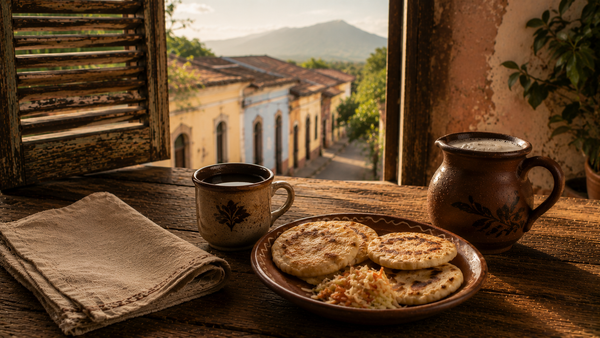
Salvadoran Spanish: A Learner's Guide
Salvadoran Spanish is the language of a transnational country — a small Central American territory with universal voseo, a deep Pipil/Nahuat heritage, and one of the largest Spanish-speaking diasporas in the United States. With the cultural tradition of Roque Dalton and contemporary writers.

Nicaraguan Spanish: A Learner's Guide
Nicaraguan Spanish has the most universal voseo in Latin America, where vos extends into contexts that other Spanish varieties reserve for usted or tú. With the bilingual Caribbean coast, an outsized cultural tradition, and a large diaspora across Central America.

Guatemalan Spanish: A Learner's Guide
Guatemalan Spanish operates alongside more than twenty Mayan languages still in active use, making Guatemala the country with the largest indigenous-language inheritance in Latin America. With universal voseo and the cultural depth of the Mayan civilisational heritage.

Uruguayan Spanish: A Learner's Guide
Uruguayan Spanish is Rioplatense in its core features (universal voseo, the sh-sound for ll and y, Italian-influenced intonation) but with its own distinctive character. The country of 3.4 million people has produced an outsized literary tradition and the candombe musical heritage.
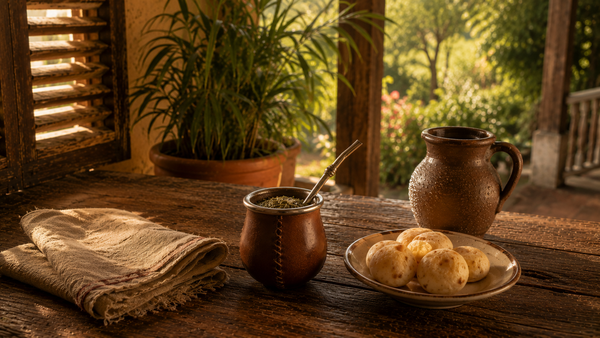
Paraguayan Spanish: A Learner's Guide
Paraguayan Spanish is unique in the Americas — Spanish shares co-official status with Guaraní, the indigenous language spoken by 90% of the population. The mixed jopará register combines both languages in everyday speech, alongside universal voseo and a distinctive cultural tradition.



Dominican Spanish: A Learner's Guide
Dominican Spanish is the most phonologically reduced Spanish in the Americas — extensive loss of final consonants, the distinctive Cibao r-to-i transformation, the merengue and bachata musical traditions that have spread the variety globally, and the large diaspora in the United States.

Ecuadorian Spanish: A Learner's Guide
Ecuadorian Spanish is four regional varieties within one country — the Sierra Spanish of Quito and Cuenca with its intimate ustedeo, the Caribbean-influenced coastal Spanish of Guayaquil, the Amazonian Spanish of the Oriente, and the distinctive Spanish of the Galápagos.




Cuban Spanish: A Learner's Guide
Cuban Spanish is the prototypical Caribbean variety — fast, fluid, melodic, with the disappearing final s, the softened consonants, and the deepest African linguistic inheritance of any national Spanish. A reference for learners on the Cuban Spanish variety and its enormous cultural reach.

Chilean Spanish: A Learner's Guide
Chilean Spanish is the most distinctive major variety in Latin America — a unique pronoun system pairing tú with voseo-style verbs, a soft ch sound, dramatic consonant reductions, and an extraordinarily rich vocabulary that has earned its reputation as a Spanish of another country.



Argentine Spanish: A Learner's Guide
Argentine Spanish is one of the most distinctive varieties in the Spanish-speaking world — voseo, the sh-sound for ll and y, the Italian inheritance from a century of immigration, the legacy of Lunfardo, and a rich literary and musical tradition. A reference for learners who want to inhabit it.

Country Profiles
A collection of references on the Spanish of each Latin American country — Argentine, Mexican, Cuban, Colombian, Chilean, and the others. Each profile treats one national variety in depth, with cross-references to the systematic guides on voseo, the diminutive, pronunciation, and intimate ustedeo.



A Pronunciation Guide to Latin American Spanish
Spanish sounds different across the Americas, and the differences are systematic. A reference on the phonological features common to all Latin American varieties and the regional patterns that distinguish the varieties — written for learners who want to hear what they are listening to.

The Vos / Tú / Usted Map
Spanish has three second-person singular pronouns — tú, vos, and usted — used in different combinations across Latin America. This guide maps which countries use which, the pragmatic functions of pronoun shifts, and the pronoun geography that defines the regional Spanish family.