Venezuelan Spanish: A Learner's Guide
Venezuelan Spanish is two strongly different varieties within one country — the Caribbean coastal Spanish of Caracas and the Andean Spanish of the western highlands — plus the regional varieties of the plains, the east, and the contemporary diaspora.

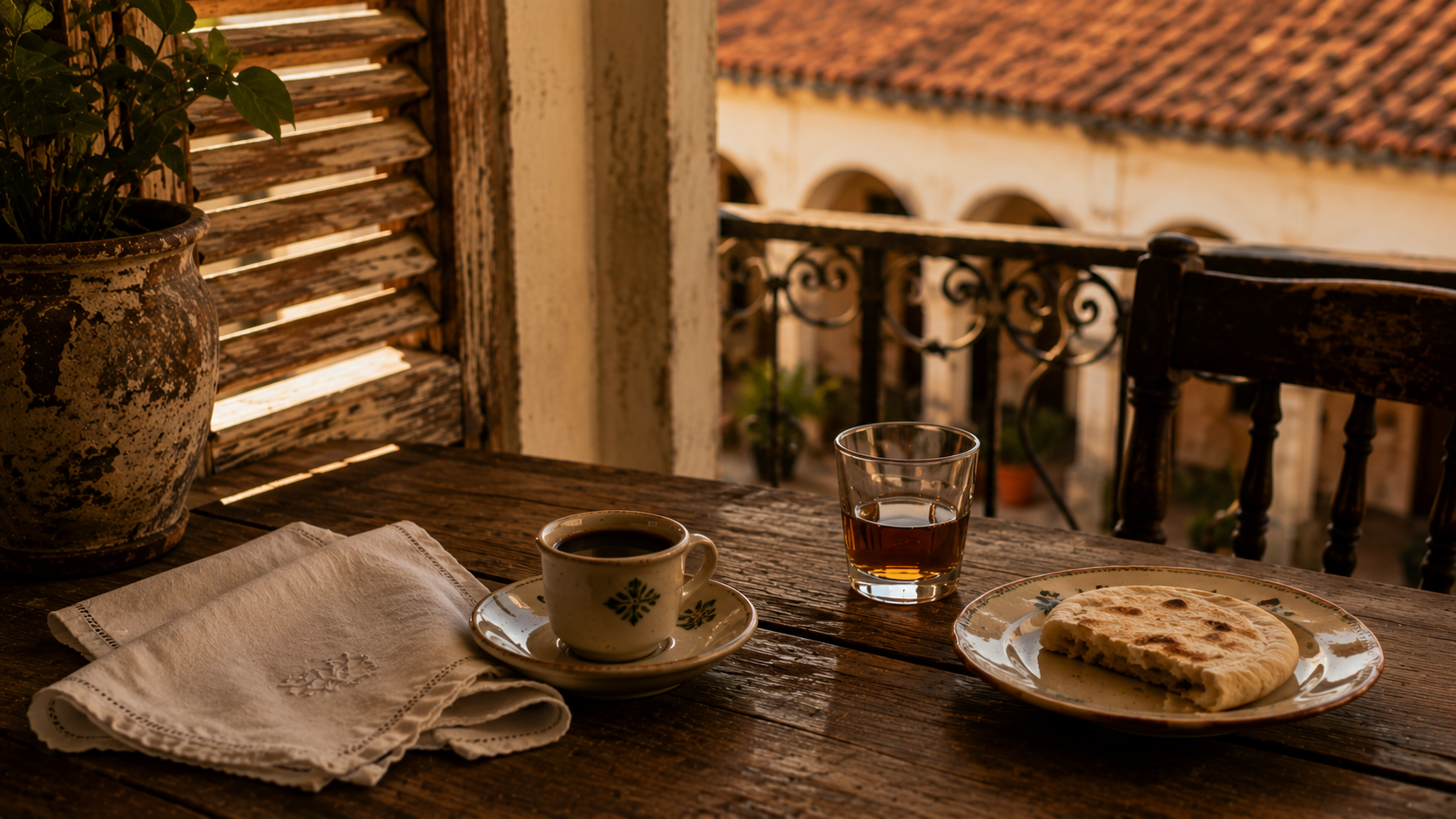
A reference on the Spanish of Venezuela — two strongly different varieties within one country, with the Caribbean coastal Spanish of Caracas, Maracaibo, and the coastal regions characterized by softening consonants and Caribbean warmth, alongside the Andean Spanish of Mérida, Táchira, and Trujillo with its preserved consonants, intimate ustedeo, and measured highland register; the Zulian voseo of Maracaibo as a regional pronoun feature; the Llanero Spanish of the eastern plains with its cattle-ranching tradition and joropo musical heritage; the indigenous Wayuu inheritance of the Guajira peninsula and the broader indigenous-language presence; the African inheritance on the central coast, particularly the Barlovento region; the rich musical tradition including salsa and the foundational El Sistema music education program; the vocabulary of contemporary economic crisis including dolarización, hiperinflación, and the broader political-economic context that has shaped contemporary speech; and the unprecedented diaspora of seven to eight million Venezuelans, roughly a quarter of the population, that has spread Venezuelan Spanish across the Spanish-speaking world.
A Country of Two Spanishes
A learner who studies Venezuelan Spanish through a textbook or through general Latin American Spanish materials will likely encounter one variety — the Spanish of Caracas, the capital, with its Caribbean coastal features. But a learner who travels from Caracas to Mérida, in the western highlands, or from the Caribbean coast to the Andean state of Táchira on the Colombian border, will discover that the Spanish of Venezuela is not one variety but at least two. The Caribbean coastal Spanish of Caracas, Maracaibo, La Guaira, and Puerto La Cruz operates by Caribbean rules: the disappearing final s, the softening consonants, the fast pace, the tuteo pronoun system, the warm rapid intimacy of coastal speech. The Andean Spanish of the western highlands operates by very different rules: the preserved s, the clear consonants, the moderate pace, the intimate ustedeo system shared with the Colombian Paisa region, and a register that is more measured and formal than the coast.
These two varieties exist within one country, share a national identity, and are mutually intelligible — but they are different enough that a learner who masters one will recognize but not fluently produce the other. The internal diversity of Venezuelan Spanish is real, and the country profile must honor it rather than collapse it into a single national variety.
The standard external perception of Venezuelan Spanish is largely shaped by Caracas — the political and cultural center, the source of most Venezuelan media, the variety heard in Venezuelan music (salsa, gaita, contemporary popular music) and in Venezuelan television (which historically had wide reach across Latin America before the contraction of recent decades). This is the variety treated centrally in this guide. But the Andean variety, the variety of the Venezuelan Guajira (shared with Colombia), the variety of the eastern plains (Llanos), and the regional varieties of other parts of the country all deserve real coverage, and the profile gives them detailed treatment.
Beyond the internal diversity, Venezuelan Spanish today exists in a historically unprecedented diaspora context. Since 2015, between seven and eight million Venezuelans — roughly one quarter of the country's population — have left Venezuela in what has become the largest displacement event in the history of the Western Hemisphere. Venezuelan Spanish is now spoken in significant numbers in Colombia, Peru, Chile, Argentina, Ecuador, Brazil, Spain, the United States, and elsewhere. The diaspora is recent, ongoing, and has produced its own linguistic developments. A learner approaching Venezuelan Spanish in 2026 must consider whether they are engaging with the variety as it is spoken on the ground in Venezuela, with the variety as it is spoken in diaspora communities, or with both.
This guide is meant as a reference for navigating this complexity. It treats Venezuelan Spanish as the family of varieties it actually is, with detailed coverage of the Caracas variety, the Andean variety, and the smaller regional varieties. The variety is treated with the same care given to Argentine, Mexican, Colombian, Chilean, and Cuban Spanish in earlier guides, with extra attention to the internal diversity and to the diaspora dimension that distinguish Venezuelan Spanish today.
A note on scope. Venezuelan Spanish in this guide refers primarily to the Spanish spoken in Venezuela, with attention to its major regional varieties. The Spanish of the Venezuelan diaspora — which has developed real differences as Venezuelan speakers adjust to host-country pronunciations, vocabularies, and norms — is addressed in Section 10. The two are clearly related; the differences are real enough to deserve specific treatment.
1. The Pronoun System Across Venezuela
Like Colombia, Venezuela uses different pronoun systems in different regions. The major split is between the Caribbean coastal regions (which use tuteo) and the Andean western highlands (which use intimate ustedeo). The pattern is consistent with the broader Caribbean-Andean linguistic geography of northern South America.
The systematic treatments of voseo and intimate ustedeo are in The Voseo Guide and The Ustedeo Guide. What follows is the Venezuelan-specific picture.
1.1 — Caribbean Coastal Tuteo
The Caribbean coastal regions — Caracas, the coastal states (Vargas, Aragua, Carabobo, Falcón), Zulia in the west (with some particular features discussed below), Sucre and Anzoátegui in the east — use tú as the universal informal second-person pronoun. Usted functions in the textbook formal sense. The pronoun system aligns with Cuban, Dominican, Puerto Rican, Mexican, and Caribbean Colombian Spanish.
The standard tuteo system. Tú hablas, tú comes, tú vives. Standard textbook conjugations. The familiar imperative uses standard tuteo forms. The subjunctive is the standard tuteo subjunctive.
The formal-intimate distinction works as the textbook describes. Tú with intimates; usted in formal contexts, with elders and strangers, in professional settings. No intimate ustedeo in the Caribbean coastal regions.
A small note on regional fluidity: like Cuban speech, Caracas Spanish moves into the tú register quickly with strangers in informal contexts. The threshold for casual tú use is relatively low compared to, for example, Bogotano or Mexican Spanish.
1.2 — Andean Ustedeo
The Andean western highlands — primarily the states of Mérida, Táchira, and Trujillo — use usted as an intimate pronoun in family contexts, in the pattern discussed in The Ustedeo Guide. The pattern is shared with the Colombian Paisa region across the border, with the highland Ecuadorian Sierra further south, and with parts of highland Bolivia and Peru.
In Andean Venezuelan families, usted may be used with children from infancy, with spouses, with close friends. The pronoun does not mark distance in these contexts; it marks warmth, attentiveness, and family tradition. The pattern is less pervasive than in the Colombian Paisa region — many Andean Venezuelan families have moved toward tuteo over generations, particularly in urban areas — but the intimate ustedeo register remains characteristic of the western highlands.
The Andean Venezuelan variety also retains tú and usted in their formal/informal senses, producing a system where the same usted form can carry either intimate or formal meaning depending on context, relationship, and tone — the classic feature of intimate-ustedeo regions described in The Ustedeo Guide.
1.3 — Voseo in Venezuela
Venezuelan voseo exists but is geographically and socially limited. It appears primarily in the state of Zulia (the western coastal state containing Maracaibo, the country's second-largest city) and in some other pockets of western Venezuela.
Zulian voseo. The Spanish of Maracaibo and the surrounding Zulia state has its own particular features, including limited use of vos in informal contexts. Zulian voseo is recognizable to other Venezuelans as a marker of regional identity but is not the dominant pattern even within Zulia, where tuteo is widespread. The voseo verb forms used follow the standard voseo pattern (vos hablás, vos comés, vos vivís).
Other regional voseo. Small pockets of voseo exist in other western Venezuelan areas, particularly along the Colombian border where contact with Paisa voseo communities has historically been close. These usages are local and not characteristic of Venezuelan Spanish more broadly.
For most learners, Venezuelan voseo is not a primary feature to acquire. A learner specifically focused on Zulian or far-western Venezuelan Spanish should add it to their study; a learner working with general Venezuelan Spanish — Caracas-centered — does not need to.
1.4 — Practical Consequences for the Learner
A learner of Venezuelan Spanish must, depending on the region of focus, master one of several pronoun patterns. For Caracas and Caribbean coastal Venezuelan Spanish, this is standard tuteo with standard formal usted. For Andean Venezuelan Spanish (Mérida, Táchira, Trujillo), it is tuteo with strong awareness of intimate ustedeo in family contexts. For Zulian and far-western Spanish, it is tuteo with some awareness of regional voseo usage.
For general Venezuelan Spanish, focused on Caracas as the cultural center, the tuteo system is the default. Awareness of the Andean intimate ustedeo is useful for learners with specific regional interests or relationships in the western highlands.
2. The Sound of Venezuela: Two Phonologies
Venezuelan phonology, like its pronoun system, varies sharply between Caribbean coastal regions and the Andean highlands. The systematic treatment of regional phonological patterns is in A Pronunciation Guide to Latin American Spanish. What follows is the Venezuelan-specific picture.
2.1 — Caribbean Coastal Venezuelan Spanish
The Spanish of Caracas, the coast, and Zulia exhibits the Caribbean phonological features described in detail in the Cuban profile and in the Pronunciation Guide.
The softening s. The final s in syllable position softens to an h-like breath or disappears entirely. Los amigos becomes loh amigoh or lo amigo. Está becomes ehtá. Buenos días becomes bueno día. The pattern is similar to Cuban Spanish though slightly less aggressive in some contexts. Caracas middle-class formal speech can preserve more of the s than casual speech does.
Softening d in past participles. Cansado → cansao. Pescado → pescao. Hablado → hablao. The pattern is consistent with Caribbean Spanish generally.
Final consonant weakening. Beyond s and d, final consonants weaken in fast speech, contributing to the perception that Caracas Spanish is fast and compressed.
The Caracas intonation. A characteristic melodic intonation distinguishes Caracas Spanish from other Caribbean varieties. The pattern shares features with Cuban and Dominican Spanish but has its own particular rhythm, sometimes described as slightly less melodically dramatic than Cuban speech but more so than Colombian coastal Spanish.
Standard yeísmo. Ll and y merge to the standard y sound, like Cuban Spanish. No Argentine sh-realization.
Soft j and g before e/i. Close to the English h sound, consistent with Mexican and Caribbean varieties.
Speech rate. Caracas Spanish is among the faster Latin American varieties, comparable to Cuban Spanish though slightly more measured in middle-class educated speech.
2.2 — Andean Venezuelan Spanish
The Spanish of the western highlands operates by very different phonological rules — closer to interior Colombian Spanish, Bogotá Spanish, and Andean Ecuadorian Spanish than to coastal Caracas Spanish.
Preserved s. The final s is preserved in all positions, like Bogotano and Andean Colombian Spanish. Los amigos sounds clearly like los amigos. Está sounds like está.
Stable consonants throughout. Final and intervocalic consonants are pronounced clearly. Cansado is fully articulated.
Moderate to slow speech rate. Andean Venezuelan Spanish moves at a slower pace than Caracas Spanish, with careful articulation similar to Bogotano speech.
Distinctive intonation. The Andean Venezuelan intonation pattern shares features with highland Colombian and Ecuadorian Spanish — a measured, melodic pattern with its own characteristic rhythm.
A distinctive s. Andean Venezuelan Spanish, like other Andean varieties, uses an s with a slightly sharper or more whistling quality than the relaxed s of Caribbean coastal Spanish. This is a fine feature but recognizable to trained ears.
Some preserved ll/y distinction in older speakers. Like other Andean varieties, conservative Andean Venezuelan speakers may preserve a residual distinction between ll and y, though this is fading.
2.3 — Zulian Spanish
The Spanish of Maracaibo and Zulia state has features that distinguish it from both Caracas Spanish and Andean Venezuelan Spanish. Some features:
- A distinctive intonation pattern that is widely recognized by other Venezuelans
- Some consonant patterns that share features with both Caribbean and Andean varieties
- Distinctive regional vocabulary, including the maracucho terms specific to Maracaibo
- Limited voseo as discussed above
Zulian Spanish has its own cultural identity, particularly through the strong regional musical tradition (gaita zuliana) and the distinctive regional cuisine.
2.4 — Llanero (Eastern Plains) Spanish
The Spanish of the eastern plains — the llanos, shared with Colombian Llanero Spanish across the border — has features that distinguish it from both coastal and Andean Venezuelan Spanish. The pattern is shaped by the cattle-ranching culture of the plains, with distinctive vocabulary related to ranching, horses, and the rural lifestyle.
Llanero Venezuelan Spanish is associated with the joropo musical tradition (the national music of Venezuela and Colombia in their shared plains region), with the cowboy culture (llaneros), and with a particular rural-pastoral cultural identity. The variety crosses the Venezuelan-Colombian border without sharp boundary, and Llanero speakers from both sides of the border share many linguistic features.
2.5 — Indigenous-Influenced Regions
In the Venezuelan Guajira (the northwestern peninsula shared with Colombia), Wayuu-Spanish bilingualism has shaped local Spanish features. In the southeastern Bolívar state and parts of Amazonas, indigenous-Spanish contact zones have similar influences. These are smaller regional varieties but worth noting for completeness.
3. The African Inheritance
Like Cuban Spanish, Venezuelan Spanish carries African linguistic inheritance from centuries of contact with enslaved Africans, particularly along the central coast (the Costa de Aragua, in particular the Barlovento region) and in some other coastal areas. The Afro-Venezuelan presence has shaped Venezuelan Spanish vocabulary, music, food, and cultural register, particularly in coastal regions.
3.1 — African-Origin Vocabulary
Many of the African-origin words discussed in the Cuban profile also appear in Venezuelan coastal Spanish, sometimes with regional Venezuelan variations:
- Mondongo (a tripe dish) — possibly African origin
- Bemba — used in similar senses to Cuban Spanish
- Cachimba, quimbombó, and related vocabulary
- Mamboleo (a dance step or rhythmic action)
- Some specifically Venezuelan terms like malembe (slow, gentle) from African sources
The African vocabulary in Venezuelan Spanish is smaller than in Cuban Spanish — Venezuela received fewer enslaved Africans than Cuba did — but the inheritance is real and concentrated in the coastal regions where Afro-Venezuelan communities have historically been densest.
3.2 — Musical Vocabulary
Afro-Venezuelan musical traditions have contributed vocabulary to Venezuelan Spanish:
- Tambor (drum) — the foundational instrument of Afro-Venezuelan music
- Curbeta — a particular drum
- Mina and Curbata — drums in the Barlovento musical tradition
- Cumaco — a particular drum and rhythmic form
- Quitiplás — the bamboo percussion instruments characteristic of Afro-Venezuelan music
- Parranda — a celebration, particularly Christmas celebrations with music
These terms belong primarily to the musical context but carry cultural presence in the broader Venezuelan vocabulary.
3.3 — Cultural and Religious Inheritance
Afro-Venezuelan religious traditions, particularly the San Juan and San Benito celebrations in coastal communities, carry their own vocabulary and cultural register. The Afro-Venezuelan presence in coastal communities, while smaller than the Afro-Cuban presence on its island, has been culturally significant and continues to shape regional identity.
4. Indigenous-Language Inheritance
Venezuela has indigenous language inheritance from several major language families:
Wayuu (in the Guajira peninsula): The Wayuu language and Wayuu-Spanish bilingualism have shaped Spanish in the Guajira region. Some Wayuu vocabulary appears in regional Spanish, and the Wayuu cultural presence in northwestern Venezuela (shared with Colombia) is real and continuing.
Pemón (in the southeast, Bolívar state): The Pemón language has shaped Spanish in the Gran Sabana region, contributing some vocabulary and place names.
Warao (in the Orinoco Delta): Warao vocabulary appears in regional Spanish of the delta region.
Yanomami (in the Amazon region): Smaller-scale Yanomami-Spanish contact has shaped some regional vocabulary.
Beyond these, Taino-origin vocabulary appears in Venezuelan Spanish from the same Caribbean colonial inheritance shared with Cuban and Dominican Spanish:
- Hamaca, tabaco, huracán, canoa, iguana, maíz, yuca, mamey, sabana
Place names map the indigenous inheritance: Caracas itself comes from the Caracas indigenous people who inhabited the central valleys before Spanish colonization. Maracaibo, Maracay, Cumaná, Cumanacoa, and many other Venezuelan place names derive from indigenous-language origins.
5. Distinctive Venezuelan Vocabulary
Venezuelan Spanish has developed an extensive vocabulary that is recognizably Venezuelan. Some vocabulary is shared with Caribbean Colombian Spanish, with Cuban Spanish, or with both; some is specifically Venezuelan.
5.1 — Core Venezuelan Vocabulary
A selection of high-frequency Venezuelan words a learner will encounter:
- Chévere — great, cool, nice. Universal across Venezuelan regions and also widespread in Colombia. Está chévere.
- Pana — friend, buddy, pal. The standard Venezuelan informal term for a friend. Mi pana (my friend). Distinctly Venezuelan.
- Vaina — thing. Highly productive, used for almost anything. Esa vaina (that thing). ¡Qué vaina! (What a thing!). Shared with Colombian Caribbean Spanish.
- Chamo / chama — kid, young person, dude. Esos chamos. Distinctly Venezuelan.
- Mae — variation on chamo, used in some regions
- Carajo — used as an emphatic discourse marker, similar to Spanish-language equivalents but particularly productive in Venezuelan speech
- Coño — extremely productive interjection. ¡Coño! expresses surprise, frustration, emphasis. Universal in Venezuelan speech.
- Verga — used as an emphatic interjection (vulgar in origin but used productively in casual speech). ¡Verga! expresses surprise or emphasis. Particularly characteristic of Venezuelan and northern Colombian speech.
- Bolsa — fool, idiot. Ese tipo es una bolsa.
- Burda — a lot, very. Burda de gente (a lot of people). Está burda de bueno (it's really good). Distinctly Venezuelan.
- Catire / catira — blonde or fair-haired person. (Particularly in Venezuela; the standard rubio is also used.)
- Cotufas — popcorn. Distinctly Venezuelan; the standard palomitas is used in other countries.
- Patilla — watermelon. Standard term in Venezuela (though sandía is also used).
- Cambur — banana. Standard term in Venezuela; the plátano is for the cooking plantain.
- Caraota — black bean. Standard Venezuelan term; the frijol is used in other countries.
- Lechosa — papaya. Standard Venezuelan term; the papaya exists but is sometimes considered crude (in some Venezuelan contexts, papaya has secondary vulgar meanings, so lechosa is preferred).
- Bonche — party. Vamos al bonche.
- Rumba — party. Standard across Venezuela and shared with Colombia.
- Echarse los palos — to drink. Vamos a echar los palos.
- Birra — beer. Casual; the standard cerveza exists.
- Polar — beer (referring to the major Venezuelan brewery; used generically). Una Polar bien fría.
- Pelar bola — to be broke, to have no money. Estoy pelando bola.
- Estar pelado — same meaning, to be broke
- Real — money. No tengo real.
- Bolívar — the currency (with many inflation-related complications in recent years)
- Dólar — increasingly used as a unit of value given dollarization
- Echarse los corotos — to take one's things, to leave. Me echo los corotos y me voy.
- Bochinche — gossip, commotion, drama. Qué bochinche.
- Arrecho / arrecha — angry, upset (different from Mexican usage where arrecho can mean horny). Está arrecho conmigo (he's mad at me).
- Bicho — thing, doodad (also has vulgar meaning in some contexts; use with awareness)
- Pendejo — fool, idiot. (Carries different register than in Mexican Spanish where pendejo is more insulting.)
- Marico / marica — used as a casual friend marker among young Venezuelans in some contexts. (Can also be derogatory; the register depends entirely on context and relationship.)
- Ladilla — annoyance, pest. Qué ladilla (what a nuisance).
5.2 — Food Vocabulary
Venezuelan Spanish carries an extensive food vocabulary, much of it specific to Venezuelan cuisine:
- Arepa — the iconic Venezuelan cornmeal flatbread, with many regional variations and stuffing options
- Reina pepiada — the classic chicken-avocado arepa filling
- Cachapa — the sweet corn pancake
- Pabellón criollo — the national dish of shredded beef, black beans, rice, and plantain
- Hallaca — the Christmas tamale specific to Venezuela
- Tequeño — the cheese-stuffed fried pastry
- Empanada — the Venezuelan version, made with corn flour
- Asado negro — the traditional roasted beef dish
- Mondongo — the tripe soup (shared with other Caribbean countries)
- Ron añejo — aged Venezuelan rum, particularly the Diplomático brand
- Cocuy — the agave spirit from the western highlands
5.3 — Politics and Economy Vocabulary
The past twenty-five years of Venezuelan politics and the recent economic crisis have produced distinctive vocabulary:
- Chavismo — the political movement associated with Hugo Chávez and Nicolás Maduro
- Chavista — a supporter of chavismo
- Escuálido — a term used pejoratively for opposition supporters (originally a chavista usage)
- Boliburgués / boliburguesa — pejorative term for those who have profited from connections to the Bolivarian government
- Guarimbas — opposition street protests, particularly in 2017
- Colectivos — pro-government civilian militias
- Bachaquero — a black-market vendor, derived from the smuggling of subsidized goods
- La cola — the line (particularly notorious for long lines for basic goods during the crisis)
- Caja CLAP — the government food box distributed during the crisis
- Cesta Ticket — the wage subsidy
- Tarjeta de la Patria — the government ID card system
- Dolarización — the de facto dollarization of the economy
- Hiperinflación — the hyperinflation period
- Sanciones — the international sanctions
This vocabulary is genuinely distinctive and reflects the political-economic period. A learner working with contemporary Venezuelan Spanish — political conversation, news, daily life — encounters these terms constantly.
6. The Diminutive in Venezuelan Spanish
As covered in The Diminutive in Latin American Spanish, Venezuelan Spanish uses diminutives at a moderate frequency — comparable to Cuban Spanish or to Caribbean Colombian Spanish. The diminutive is present in everyday speech but less pervasive than in Mexican or Paisa Spanish.
Some particularly Venezuelan diminutive features:
- The -ico suffix appearing in some regions (less universal than in Costa Rica but present, particularly in older or more rural speech)
- Affectionate diminutives in family terms — mamita, papito, abuelita, hijita — common in intimate speech
- Chiquito and chiquita used as terms of address for children and for affectionate small reference
The Venezuelan diminutive functions for affection and softening within the broader Latin American pragmatic patterns, at moderate frequency.
7. Pragmatics: The Venezuelan Style
Beyond grammar and vocabulary, Venezuelan Spanish has pragmatic features that distinguish it from other varieties.
Caribbean warmth, but with regional variation. Caracas Spanish, like other Caribbean varieties, has warm pragmatic norms — quick movement toward casual intimacy, use of affectionate terms of address with relative strangers, casual physical contact in greeting, extensive use of vocatives within sentences. The Andean variety is more measured and formal, with politeness norms closer to Bogotano Spanish than to Caracas Spanish.
Humor and wit. Venezuelan speech values verbal play, quick wit, and humor, similar to Cuban speech. The tradition of chiste (joke) and verbal play is strong in Caracas particularly, with a self-deprecating streak that has shaped Venezuelan comedy and cultural commentary.
The vocative pattern. Venezuelan speech, like Cuban speech, frequently addresses interlocutors directly within sentences — by name, by relationship, by affectionate term. Mira, pana, te digo una cosa (Look, buddy, let me tell you something). This pragmatic feature is shared with Caribbean Spanish generally.
Greetings and social rituals. Venezuelan greetings tend toward physical contact (kisses on the cheek in many contexts) and verbal extension. The formal Buenos días, ¿cómo está usted? expects a response and elaboration. The minimal transactional greeting works in some contexts but feels brusque in many social settings.
The pragmatics of contemporary scarcity. A decade of economic crisis has shaped Venezuelan pragmatic norms in particular ways. Conversations about prices, availability of goods, and economic conditions are routine. Solidarity expressions among Venezuelans are common. The shared experience of difficult times has produced a pragmatic register that includes acknowledgment of hardship in ways that may feel surprising to learners from contexts where such topics are rarely raised.
Political indirection. Like Cuban speech in some respects, contemporary Venezuelan speech often uses indirection when discussing politics. The polarization of recent decades has produced pragmatic norms where political topics are approached with care, with code words, with shared understanding rather than explicit statement. The patterns vary by speaker and context, but the indirection is a real feature of contemporary Venezuelan pragmatics.
8. The Cultural Register
Venezuela has produced significant cultural work across literature, music, cinema, and visual arts, though the cultural production has been heavily affected by the political-economic situation of recent decades, with many Venezuelan cultural figures now working in diaspora.
8.1 — Literature
Rómulo Gallegos (1884-1969), the foundational Venezuelan novelist and briefly president, wrote Doña Bárbara (1929), the foundational novel of the Venezuelan plains and one of the canonical works of Latin American literature.
Andrés Eloy Blanco (1896-1955) is among the most beloved Venezuelan poets, with his accessible and politically committed work shaping how Venezuelans understand their poetic tradition.
Salvador Garmendia (1928-2001) produced important mid-twentieth-century work.
Adriano González León (1931-2008) wrote País portátil (1968), an important novel of urban Venezuelan experience.
Contemporary Venezuelan writers include Rodrigo Blanco Calderón (whose The Night won major prizes), Karina Sainz Borgo (whose La hija de la española dealt with the contemporary Venezuelan crisis), Alberto Barrera Tyszka, Federico Vegas, and many others. The Venezuelan literary diaspora — writers now based in Spain, Mexico, the United States, and elsewhere — has been productive in recent years.
8.2 — Music
Venezuelan music spans multiple traditions:
Joropo — the national music of Venezuela (shared with Colombian Llanero music), centered on the harp, cuatro, and maracas. The traditional music of the plains, with a strong cultural identity.
Gaita — the music of Zulia state, particularly associated with Christmas. The gaita zuliana tradition produces music heard throughout Venezuela during the Christmas season and has its own distinctive sound and vocabulary.
Salsa — Venezuelan salsa has been a significant regional tradition, with Caracas as one of the centers of salsa music in Latin America. Oscar D'León is one of the most internationally recognized Venezuelan salseros.
Música llanera — beyond joropo, the broader plains musical tradition includes ballads (corridos) and other forms.
Contemporary popular music — Venezuelan musicians have been part of the broader Latin urban music boom, though with smaller market presence than Colombian or Puerto Rican artists.
El Sistema — the foundational Venezuelan music education program, which has produced internationally recognized musicians (Gustavo Dudamel among the most famous) and has been one of the country's cultural exports.
8.3 — Cinema
Venezuelan cinema has been less prominent internationally than the cinemas of Mexico, Argentina, Brazil, or Chile, but the country has produced significant films. The boom of the 1970s and 1980s under government film support produced important work; the contraction of the past two decades has reduced production but has produced new diaspora-based filmmaking.
Contemporary Venezuelan films and filmmakers, often working in diaspora, continue to produce work that engages with Venezuelan reality. Pelo malo (Mariana Rondón, 2013), La distancia más larga (Claudia Pinto, 2013), and other recent films have brought Venezuelan stories to international audiences.
8.4 — Cultural Specifics
Beyond the major artistic traditions, Venezuelan cultural identity has been shaped by:
- The cult of Simón Bolívar (el Libertador) and the related cultural-political tradition
- The petroleum culture that shaped twentieth-century Venezuela
- The diaspora communities now spread across the Americas and Europe
- The contemporary cultural-political conversations that have emerged from the past two decades
9. Regional Variation: A Geographic Summary
A summary of the major regional varieties of Venezuelan Spanish, drawing together threads from previous sections:
9.1 — Caracas and the Central Coast
The dominant variety nationally, with all the Caribbean coastal features at their fullest. The variety carries the most cultural prestige and is the standard heard in Venezuelan media. Internal variation by class and neighborhood exists; the middle-class educated Caracas variety is the implicit standard.
9.2 — Zulia and Maracaibo
The Spanish of Maracaibo and Zulia state, with distinctive intonation, some limited voseo, and the maracucho vocabulary. The state has a strong regional identity and a vibrant cultural tradition (gaita music particularly).
9.3 — The Andean West (Mérida, Táchira, Trujillo)
The Andean Spanish of the western highlands, with preserved s, stable consonants, moderate speech rate, intimate ustedeo, and Andean intonation patterns. The variety shares features with Colombian Paisa Spanish and highland Ecuadorian Spanish.
9.4 — The Plains (Apure, Barinas, Cojedes, Guárico, Portuguesa)
Llanero Spanish, the variety of the eastern plains, with distinctive cattle-ranching vocabulary, the joropo cultural register, and features shared with Colombian Llanero Spanish across the border.
9.5 — The East (Anzoátegui, Monagas, Sucre, Nueva Esparta)
Eastern Venezuelan Spanish shares Caribbean coastal features with Caracas Spanish but with some particular regional vocabulary and intonation patterns. The state of Nueva Esparta (Margarita Island) has its own particular features as an island community.
9.6 — The Far West (Falcón, Lara, Yaracuy)
These states have varieties that share some features with Zulian Spanish, some with Andean Spanish, and some with Caribbean coastal Spanish. The transitional nature of these regions has produced varieties with mixed characteristics.
9.7 — The Southeast (Bolívar, Amazonas)
The Spanish of these large southern states has been shaped by indigenous-language contact and by the relative isolation of much of the region. The Spanish of mining towns and indigenous-contact zones has its own particular features.
9.8 — The Guajira (Zulia coast)
The northwestern peninsula shared with Colombia has Wayuu-Spanish bilingualism shaping local Spanish features.
10. The Spanish of the Venezuelan Diaspora
A defining feature of Venezuelan Spanish today is the recent and ongoing diaspora. Since 2015, the large outmigration of Venezuelans has produced communities of Venezuelan Spanish speakers in many countries, and the diaspora dimension is now central to any account of Venezuelan Spanish in the contemporary period.
10.1 — The Scale of the Diaspora
The Venezuelan diaspora is one of the largest displacement events in modern history. Estimates as of 2025 place the number of Venezuelans living outside Venezuela at between seven and eight million people — roughly one quarter of the country's population. This is comparable in scale to the Syrian displacement crisis and exceeds in absolute numbers nearly all other contemporary displacement events.
The largest diaspora communities are in:
- Colombia (approximately 2.5 million Venezuelans) — the largest receiving country, where Venezuelans have integrated into Colombian society with considerable linguistic adaptation
- Peru (approximately 1.5 million) — the second largest, with Venezuelans particularly concentrated in Lima
- Ecuador (approximately 500,000)
- Chile (approximately 500,000)
- United States (approximately 700,000, including the established pre-existing Venezuelan-American community in Miami)
- Spain (approximately 400,000)
- Brazil (approximately 400,000)
- Argentina (approximately 200,000)
- Other countries throughout the Americas and Europe
10.2 — Linguistic Adaptation in Diaspora
Venezuelans in diaspora have undergone various linguistic adaptations:
Adaptation toward host-country varieties. Venezuelans in Colombia have often adapted toward Colombian Spanish — adopting parce over pana, plata over real, and other vocabulary differences. Venezuelans in Peru have adapted toward Peruvian Spanish patterns. Venezuelans in Chile, Argentina, and elsewhere have similarly adjusted.
Code-switching between Venezuelan and host-country variety. Many diaspora Venezuelans switch between Venezuelan vocabulary and pronunciation in their home communities and host-country vocabulary in broader social contexts.
Generational divergence. Second-generation diaspora Venezuelans — those born or raised in the host country — often acquire the host-country variety as their primary Spanish, with Venezuelan features preserved as a heritage register used with parents and community.
Maintenance of Venezuelan identity through language. Despite adaptations, many diaspora Venezuelans maintain strong identification with Venezuelan Spanish and continue to use distinctive vocabulary, music, and cultural references as markers of identity.
The Caracas-Miami axis. The historic pre-1999 Venezuelan-American community in Miami has been augmented by recent arrivals, producing a Miami Venezuelan community that has its own particular Spanish patterns, distinct from both island Cuban Spanish and the broader Caribbean Spanish of Miami.
10.3 — Practical Consequences for the Learner
A learner approaching Venezuelan Spanish today must consider whether the goal is:
- Island Venezuelan Spanish (the variety as spoken in Venezuela)
- Diaspora Venezuelan Spanish in a specific host country
- General Venezuelan Spanish as an identity marker rather than a precise variety
For most general learners, focusing on Caracas-centered Venezuelan Spanish provides the most accessible entry point. Diaspora communities maintain enough of the original variety that this orientation translates across contexts, with awareness that specific diaspora communities may have adapted to host-country patterns.
11. For the Learner
A few practical paths into Venezuelan Spanish, for those who have studied other varieties or who want to deepen their Venezuelan-Spanish work.
Choose a regional focus if travel or relationships warrant it. General Venezuelan Spanish, centered on Caracas, is the natural default. For learners with specific regional connections — the Andean highlands, Zulia, the plains — adjust the study accordingly.
Consider the island-versus-diaspora question. Like Cuban Spanish, contemporary Venezuelan Spanish exists in two worlds — the island and the diaspora. Decide based on your context which is more relevant: travel to Venezuela, engagement with Venezuelan diaspora communities in your country, professional or family contexts.
Listen to Venezuelan music. Joropo for the plains tradition, salsa for the Caracas-centered urban tradition, gaita for the Zulian tradition, contemporary popular music for current speech patterns. Music provides condensed exposure across moods and registers.
Watch Venezuelan cinema. Pelo malo, La distancia más larga, and other contemporary Venezuelan films provide listening practice. The earlier Venezuelan cinema (1970s-1980s) is harder to access but worth seeking out for the historical variety.
Read contemporary Venezuelan literature. Karina Sainz Borgo's La hija de la española offers accessible contemporary Venezuelan Spanish in a novel directly addressing the crisis. Rodrigo Blanco Calderón's The Night and other recent Venezuelan fiction provide exposure to the contemporary literary register.
Find a Venezuelan tutor. As discussed in the italki review, italki allows filtering by country. Venezuela is available as a filter (unlike Cuba). The diaspora has produced many Venezuelan tutors now based in various countries; choose based on the specific Venezuelan variety you want to acquire. A tutor based in Venezuela teaches contemporary island Venezuelan Spanish; a tutor based in Colombia or elsewhere has typically adapted somewhat to host-country patterns but maintains Venezuelan features.
Travel to Venezuela if circumstances permit. Venezuelan travel involves logistical considerations (visa requirements, safety considerations, currency complications) that vary by traveler country of origin and over time. Travel that is possible for European travelers may be more complicated for American travelers, and conditions evolve. For learners specifically focused on Venezuelan Spanish, even short trips meaningfully accelerate learning, but the practical possibilities require research current to the time of travel.
Engage with diaspora communities. In many countries, Venezuelan diaspora communities have established cultural organizations, restaurants, music venues, and informal networks where Venezuelan Spanish is spoken in its diaspora form. These communities are often welcoming of foreign learners interested in Venezuelan Spanish.
Recognize the political-economic context. Contemporary Venezuelan Spanish carries the texture of the country's recent history. Vocabulary, pragmatic norms, and conversational patterns reflect twenty-five years of polarization and a decade of economic crisis. A learner who approaches Venezuelan Spanish with awareness of this context will engage more meaningfully with what they encounter.
Be patient with the regional variation. Venezuelan Spanish is more internally diverse than some other varieties. A learner who masters Caracas Spanish will recognize but not fluently produce Andean Venezuelan Spanish. Build the regional ear gradually rather than expecting fluency across all internal varieties from the start.
A Closing Note
Venezuelan Spanish, in its Caribbean coastal warmth and its Andean highland measured care, in its cultural reach through joropo and gaita and salsa, in its literature from Gallegos to Sainz Borgo, in its contemporary diaspora that has scattered across the hemisphere — is one of the rich Latin American varieties, with its own distinctive features and its own significant cultural production. The country's recent political-economic difficulties have shaped the variety in ways that no learner can ignore, but they have not diminished what Venezuelan Spanish actually is: a Caribbean variety with its own internal richness, with deep regional differentiation, with strong cultural foundations, and with a contemporary diaspora that continues to elaborate the variety in new contexts across the Spanish-speaking world.
For a learner, Venezuelan Spanish is accessible through the Caracas-centered standard and rewards deeper engagement through attention to the regional and diaspora varieties. The investment of time and attention is meaningful. The cultural reach — through music, literature, and the diaspora's continued production — is real and ongoing. The country and the variety are larger than the contemporary political moment, and a learner who engages with Venezuelan Spanish engages with a Spanish that has been continuously productive across two centuries of cultural history.